
**Alcohol**, also known as ethanol, is the central ingredient in drinks like beer, wine, and hard liquor. It’s a **psychoactive drug**, meaning that it alters brain function and acts upon the body’s central nervous system. Alcohol is known to impair your body’s ability in several ways, such as impairing coordination, alertness, and judgment. [1] While these are the common side effects that are thought of in association to alcohol, it actually has a major impact on both your **blood pressure** and your **Nitric Oxide levels**.
Alcohol and High Blood Pressure
Excessive drinking can lead to a wide range of health problems, but one of the most common is **high blood pressure**. Circulatory problems like this are caused by an increase in hormones that can actually constrict your blood vessels. In serious cases of heavy drinking, this restriction of blood flow can increase your risk of **heart failure** or **stroke**.
Impact on Liver Health and Nitric Oxide
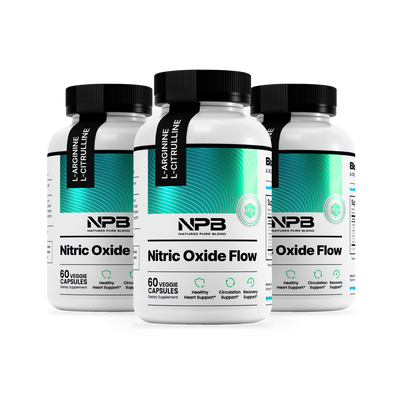
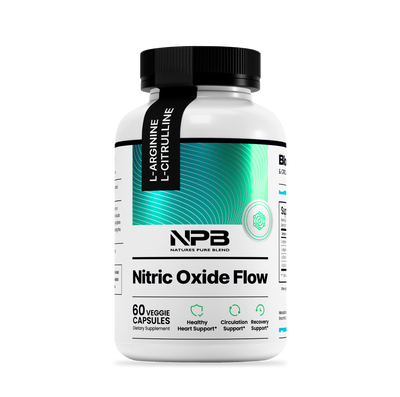
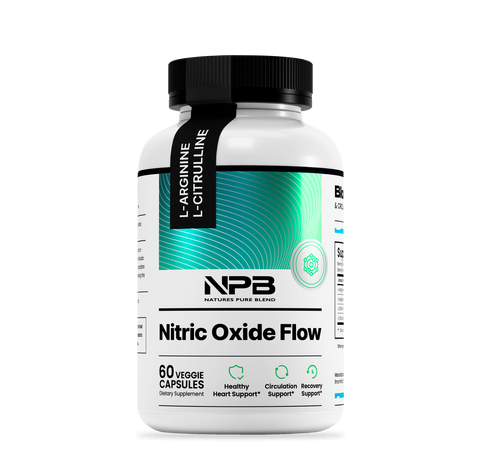
One of the liver’s main functions is to filter alcohol out of your blood before passing it on to circulate throughout the rest of the body. It’s essential to detoxifying your blood and metabolizing drugs, and it can even regenerate its own tissue. **Nitric Oxide**, in addition to dilating blood vessels, can actually enhance that liver growth and regeneration. [2] High concentrations of alcohol in the body not only overworks your liver, but it also **deteriorates your Nitric Oxide levels**, which is essential to optimizing blood flow and improving liver health. [3]
Conclusion
Overall, heavy alcohol consumption can be problematic for both the body’s physical and mental capabilities. Decreasing Nitric Oxide production and increasing blood pressure are just a few of the possible adverse side effects that can occur with prolonged alcoholism. In order to mitigate these health risks, it’s best to either avoid alcoholic beverages all-around, or just **drink in moderation**.