9 Ways To Support Clear Arteries
Arteries carry oxygen-rich blood from the heart to the rest of the body.
Over time, cholesterol, fat, calcium, inflammatory cells, and other substances can collect inside the artery walls. This buildup is called plaque.
As plaque grows, the arteries may become narrower and less flexible. Blood has less room to move, and the risk of blood clots, heart attack, stroke, and poor circulation can increase.
There is no food, drink, or supplement that instantly flushes plaque from the arteries. However, consistent heart-healthy habits can help reduce the factors that encourage plaque buildup, protect the artery walls, and slow the progression of atherosclerosis.
Here are nine practical ways to support clearer, healthier arteries:
1. Build More Meals Around Whole Plant Foods
Fruits, vegetables, beans, nuts, seeds, and whole grains provide fiber, antioxidants, minerals, and plant compounds that support cardiovascular health.
These foods can replace heavily processed meals that are commonly higher in sodium, added sugar, and unhealthy fats.
A Mediterranean-style eating pattern emphasizes vegetables, fruits, whole grains, legumes, nuts, fish, and unsaturated fats. In the PREDIMED trial, adults at high cardiovascular risk who followed a Mediterranean diet supplemented with extra-virgin olive oil or nuts experienced fewer major cardiovascular events than those assigned to a reduced-fat diet.
Start by filling at least half your plate with vegetables, adding beans to soups or salads, and choosing whole grains instead of refined grains. [1]
2. Replace Saturated Fats With Unsaturated Fats
Eating large amounts of saturated and trans fats can raise LDL cholesterol.
LDL is commonly called “bad” cholesterol because excess amounts can enter damaged artery walls and contribute to plaque formation.
Saturated fats are commonly found in fatty cuts of meat, butter, full-fat dairy, fried foods, and many packaged baked goods. Healthier unsaturated fats are found in foods such as olive oil, avocado, nuts, seeds, and fish.
The American Heart Association explains that diets high in saturated and trans fats raise LDL cholesterol and increase cardiovascular risk.
Instead of removing all fat, focus on replacing less favorable fats with unsaturated options. [2]
3. Eat More Soluble Fiber
Fiber is one of the most useful nutrients for supporting healthy cholesterol levels.
Soluble fiber forms a gel-like substance in the digestive tract. This can reduce cholesterol absorption and help the body remove more cholesterol through digestion.
Oats, barley, apples, beans, lentils, citrus fruits, and certain seeds are good sources.
The American Heart Association states that dietary fiber can help improve blood cholesterol, while soluble fiber has specifically been shown to lower LDL cholesterol.
Try beginning the day with oatmeal, adding beans to lunch, or choosing fruit instead of a heavily processed snack. [3]
4. Move Your Body for at Least 150 Minutes Weekly
Physical activity supports nearly every factor connected to arterial health.
It helps improve blood pressure, blood sugar control, cholesterol levels, weight management, circulation, and endothelial function. Increased blood flow during exercise also creates shear stress along the artery walls, encouraging the endothelium to release nitric oxide and allowing vessels to widen more effectively.
The American Heart Association recommends at least 150 minutes of moderate-intensity aerobic activity or 75 minutes of vigorous activity each week. It also recommends muscle-strengthening activity at least two days per week.
Brisk walking, cycling, swimming, dancing, and resistance training can all count.
You do not have to complete the entire amount at once. Several ten- or fifteen-minute sessions throughout the week can make movement easier to maintain. [4]
5. Keep LDL Cholesterol Under Control
The body needs cholesterol to build cells and produce hormones, but excessive LDL cholesterol can become trapped within artery walls.
High cholesterol usually does not cause noticeable symptoms. A blood test called a lipid panel is needed to measure LDL, HDL, triglycerides, and total cholesterol.
The American Heart Association explains that LDL can build up inside arteries over time, narrowing them and increasing heart attack and stroke risk.
Nutrition, exercise, weight management, and avoiding tobacco can support healthier cholesterol levels. Some people also require cholesterol-lowering medication based on their LDL level and overall cardiovascular risk.
The goal is not to guess based on how you feel. It is to know your numbers and address elevated LDL before plaque has more time to develop. [5]
6. Prevent Blood Pressure From Staying Too High
High blood pressure repeatedly pushes blood against the artery walls with excessive force.
Over time, that pressure can injure the endothelium and create areas where cholesterol and inflammatory materials are more likely to collect.
High blood pressure is one of the main modifiable risk factors for heart disease and atherosclerosis.
Regular movement, stress control, adequate sleep, balanced nutrition, and limiting excessive sodium can all help support healthier blood pressure.
Americans consume more than 3,300 milligrams of sodium per day on average, exceeding the federal recommendation of less than 2,300 milligrams for teens and adults. Much of this sodium comes from packaged, prepared, and restaurant foods rather than the saltshaker alone.
Check labels and compare similar products to find lower-sodium options. [6]
7. Keep Blood Sugar Within a Healthy Range
Repeatedly elevated blood sugar can damage the blood vessels and the nerves that help control the heart.
It can also increase inflammation and oxidative stress while making it harder for the endothelium to regulate circulation effectively.
The CDC explains that high blood sugar can damage blood vessels over time. Diabetes also commonly occurs alongside high blood pressure, elevated triglycerides, and unhealthy cholesterol levels, creating several overlapping risks for plaque buildup.
Build meals around fiber, protein, vegetables, and minimally processed carbohydrates. Regular movement, especially after meals, may also help the muscles use circulating glucose.
Small habits such as replacing sugary drinks, controlling portions of refined carbohydrates, and taking a short walk after dinner can support steadier blood sugar. [7]
8. Avoid Smoking and Secondhand Smoke
Smoking directly damages the heart and blood vessels.
Chemicals in cigarette smoke injure the artery lining, increase inflammation, encourage blood clotting, reduce the amount of oxygen carried by the blood, and accelerate atherosclerosis.
The CDC identifies cigarette smoking as a major cause of cardiovascular disease and reports that it is responsible for about one in every four cardiovascular deaths. Secondhand smoke exposure also raises the risk of heart disease and stroke.
Quitting benefits the cardiovascular system even when someone has smoked for many years.
Avoiding vaping and other nicotine products is also important. Nicotine can raise heart rate and blood pressure, placing additional stress on the arteries. [8]
9. Aim for Seven to Nine Hours of Sleep
Sleep gives the cardiovascular system time to recover from the demands of the day.
Consistently poor sleep can disrupt blood pressure, blood sugar, appetite signals, inflammation, and stress hormones. These changes can indirectly create conditions that make arterial damage and plaque buildup more likely.
The American Heart Association recommends that most adults aim for seven to nine hours of sleep per night as part of protecting cardiovascular health.
Try keeping a consistent bedtime, reducing screen exposure before bed, limiting late caffeine, and keeping the bedroom cool and dark.
Frequent snoring, gasping during sleep, morning headaches, or severe daytime fatigue may also signal a sleep problem that is interfering with cardiovascular health. [9]
Give Your Arteries Daily Protection
Supporting clear arteries is not about finding one ingredient that dissolves plaque.
It comes from consistently reducing the pressure, cholesterol, inflammation, blood sugar, and oxidative damage affecting the artery walls.
Eat more fiber-rich whole foods. Replace saturated fats with unsaturated fats. Move throughout the week, protect your sleep, avoid tobacco, and keep track of blood pressure, cholesterol, and blood sugar.
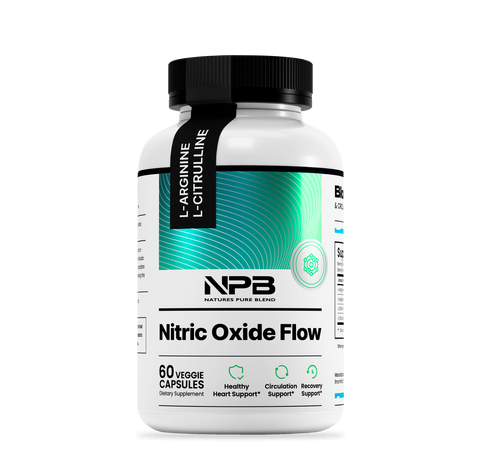
A thoughtfully formulated supplement may also provide nutrients that support nitric oxide production, circulation, antioxidant defenses, and endothelial function. However, supplements should complement daily habits rather than replace them.
These steps may not physically erase established plaque, but they can help protect the endothelium, slow further buildup, and give the arteries a healthier environment in which to function.