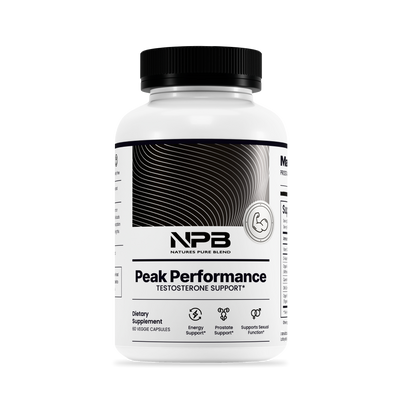


8 Common Signs People Overlook With Low Testosterone
Low testosterone, or hypogonadism, is often discussed in terms of common symptoms like reduced energy, muscle loss, and lower libido. However, there are many other overlooked aspects of this condition that can significantly affect your overall health and quality of life. If you're experiencing signs of low testosterone or want to better understand how it impacts the body, these lesser-known factors may be contributing to what you’re feeling.
1. Mental Health Changes
Low testosterone levels can contribute to feelings of anxiety, irritability, and reduced overall well-being. Testosterone influences neurotransmitters like serotonin and dopamine, which play a key role in mood regulation. When levels decline, it can shift emotional balance and increase mood variability over time. [1]
2. Sleep Disruptions
Testosterone is closely tied to sleep quality and recovery. Lower levels are often associated with difficulty staying asleep, reduced sleep depth, and overall restlessness. This creates a cycle—poor sleep can further influence hormone balance, making consistent rest harder to maintain. [2]
3. Decreased Bone Density
Testosterone supports bone strength by helping maintain mineral density. When levels decline, bones may gradually become less dense, increasing vulnerability over time. While often overlooked in men, maintaining bone health is an important part of long-term structural support and mobility. [3]
4. Increased Body Fat Accumulation
Testosterone helps regulate how fat is distributed throughout the body. Lower levels are often associated with increased fat storage, particularly around the midsection. This shift in body composition can influence metabolic balance and overall physical performance. [4]
5. Reduced Cognitive Sharpness
Testosterone also plays a role in cognitive function, including memory, focus, and mental processing speed. When levels decline, some men notice slower thinking, reduced concentration, or occasional forgetfulness. Maintaining balance may help support long-term cognitive performance. [5]
6. Changes in Libido
Testosterone is a central driver of sexual interest and motivation. Lower levels can lead to a noticeable decline in desire and engagement. In some cases, this can also affect overall confidence and performance, creating both physical and psychological effects. [6]
7. Muscle Loss and Reduced Strength
Testosterone supports muscle maintenance and recovery. When levels drop, muscle mass may gradually decrease, and strength can become harder to maintain. This can influence daily performance, endurance, and overall physical resilience. [7]
8. Cardiovascular Function Changes
Testosterone plays a role in supporting circulation and vascular function. Lower levels have been associated with changes in blood flow dynamics and overall cardiovascular efficiency. Supporting balance may help maintain steady circulation and vascular responsiveness. [8]
Conclusion
Low testosterone affects more than just energy or physical strength. It influences mood, sleep, cognition, body composition, and overall function throughout the body. Recognizing these broader signals can help you better understand what your body is communicating. When these patterns begin to shift, it may be a sign that your hormonal balance needs closer attention and consistent support.