7 Ways To Help Circulation & Lower Blood Pressure
As you get older, your body doesn’t move blood as efficiently as it once did. Circulation can begin to slow, and over time this places more strain on your cardiovascular system. When blood flow becomes less efficient, it can show up in different ways—fatigue, muscle tightness, visible veins, or rising blood pressure levels that seem to creep up without warning.
The key is understanding that circulation and blood pressure are not separate issues—they are deeply connected. When circulation improves, pressure within the system often becomes easier to manage. The good news is that small, consistent habits can make a measurable difference. Below are seven practical strategies that support both circulation and healthy blood pressure from multiple angles.
1. Stay Consistent With Daily Movement
Movement is one of the most direct ways to support circulation. When you move your body, your muscles contract and help push blood back toward the heart, improving overall flow. This reduces stagnation, especially in the lower body where circulation tends to slow with age.
Activities like walking, cycling, or swimming help maintain vascular function and keep your system active. Over time, consistent movement also supports how efficiently your heart pumps. Even light daily activity can create a compounding effect, helping your body maintain steady circulation and more balanced pressure levels. [1]
2. Build Meals That Support Vascular Function
What you eat directly influences how your body regulates pressure and flow. A diet rich in potassium helps counterbalance sodium, which plays a major role in fluid balance and pressure control. Foods like leafy greens, sweet potatoes, and bananas support this balance naturally.
Healthy fats, especially omega-3s, support the integrity of your vessels and help maintain a normal inflammatory response. At the same time, reducing heavily processed foods helps prevent excess sodium intake, which can disrupt fluid balance and place added strain on your system.
Focusing on whole, nutrient-dense foods gives your body the tools it needs to maintain smoother, more efficient circulation over time. [2]
3. Prioritize Quality Sleep Each Night
Sleep is where your body resets and recalibrates. Poor or inconsistent sleep keeps your system in a heightened state, making it harder for your body to relax and regulate itself properly.
When sleep is disrupted, stress hormones remain elevated, which can affect how your body manages pressure and recovery. Over time, this can contribute to less efficient circulation and increased strain on your cardiovascular system.
Creating a consistent sleep routine, limiting late-night stimulation, and allowing your body to fully wind down can support a more balanced internal state and better overall function. [3]
4. Stay Properly Hydrated Throughout the Day
Hydration plays a key role in how efficiently your system operates. When fluid levels drop, circulation becomes less efficient, forcing your body to work harder to maintain normal function.
Drinking enough water supports overall fluid balance, helping your system move more smoothly throughout the day. Adding trace minerals or electrolytes can further support hydration by improving how your body retains and utilizes fluids.
This is one of the simplest habits, yet it has a direct impact on how well your body maintains steady circulation and pressure. [4]
5. Reduce Daily Stress Load
Your body responds to stress by shifting into a more alert, defensive state. While this is useful short-term, constant stress keeps your system in that state longer than intended.
This can interfere with how your body regulates itself, affecting everything from heart rhythm to vascular tone. Over time, this added tension can make it harder for your system to maintain balance.
Simple practices like controlled breathing, time outdoors, or quiet moments without stimulation help your body return to a more relaxed state. This allows your system to function more efficiently and maintain stability. [5]
6. Maintain a Body Weight That Supports Efficiency
Carrying excess weight increases the demand on your system. Your body has to work harder to circulate efficiently, which can gradually place more pressure on your cardiovascular system.
Even small reductions in weight can improve how your body functions day to day. When your system is not under excess demand, it can operate more efficiently and maintain better internal balance.
Combining consistent movement with structured eating habits is one of the most effective ways to support this. [6]
7. Support Natural Nitric Oxide Production
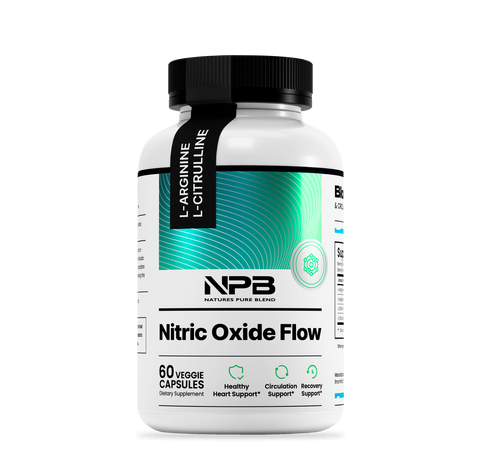
Nitric oxide is a key compound involved in how your body regulates circulation. It helps your vessels relax and expand, allowing for smoother and more efficient flow.
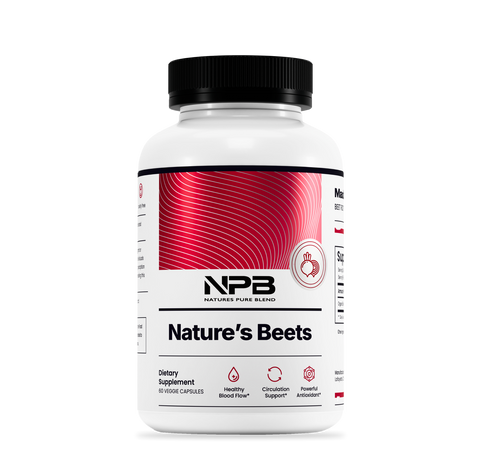
You can support this process through foods naturally rich in nitrates, such as beets, leafy greens, and certain fruits. These compounds are converted within the body into nitric oxide, supporting overall vascular function.
Over time, maintaining this pathway becomes increasingly important, as natural production can decline with age. Supporting it consistently helps your body maintain a more efficient and responsive system. [7]
Conclusion
Circulation and blood pressure are not controlled by a single factor—they are influenced by daily habits that either support or strain your system. The more consistently you reinforce these habits, the more your body can maintain balance on its own.
From movement and nutrition to sleep and stress management, each of these strategies works together to support a system that flows efficiently and operates with less resistance. Small changes, applied consistently, are what lead to lasting improvements in how your body feels and functions.