

7 Signs Your Body Needs More Nitric Oxide
Nitric oxide is a molecule your body produces naturally to help blood vessels relax and widen.
It signals the smooth muscle surrounding the arteries to loosen, allowing blood, oxygen, and nutrients to travel more easily throughout the body. Nitric oxide also supports healthy blood pressure, exercise performance, muscle function, wound repair, and erections.
However, nitric oxide production and availability can be reduced by aging, physical inactivity, smoking, high blood pressure, metabolic problems, inflammation, and oxidative stress.
There is no single symptom that proves your nitric oxide level is low. Many of the signs below can have several possible causes. However, experiencing multiple signs of poor circulation or endothelial dysfunction may suggest that your body is not producing or preserving nitric oxide as effectively as it should.
Here are seven changes worth paying attention to:
1. Your Blood Pressure Keeps Trending Higher
One of nitric oxide’s most important jobs is helping blood vessels relax.
When enough nitric oxide is available, the arteries can widen in response to changes in blood flow. This gives blood more room to move and helps reduce unnecessary resistance against the vessel walls.
When nitric oxide production or sensitivity decreases, the arteries may remain tighter and less responsive. This is a major part of endothelial dysfunction, a condition in which the blood vessel lining can no longer regulate vessel relaxation properly. Endothelial dysfunction is closely associated with high blood pressure and cardiovascular disease.
A single elevated reading does not necessarily indicate a problem. Stress, caffeine, recent activity, posture, and incorrect cuff placement can temporarily affect the result.
However, blood pressure that remains consistently higher than your usual range may be a sign that the vessels are having difficulty relaxing. [1]
2. Your Hands and Feet Frequently Feel Cold
Blood must travel through increasingly smaller vessels before reaching the fingers, toes, and skin.
Nitric oxide helps regulate these smaller vessels and allows circulation to adjust when the body encounters cold temperatures or changes in activity. When nitric oxide availability is reduced, the vessels may constrict more easily and deliver less warm blood to the extremities.
Research involving people with cold sensitivity has linked lower peripheral skin blood flow and temperature with potentially reduced nitric oxide availability. Reduced nitric oxide availability has also been observed in conditions involving recurring spasms of the small vessels in the hands and feet.
Occasionally having cold hands does not automatically mean nitric oxide is low. Room temperature, stress, thyroid function, anemia, nerve conditions, and other circulation problems can also contribute.
The pattern becomes more noticeable when the hands and feet remain cold even in comfortable temperatures or take a long time to warm up. [2]
3. Workouts Feel Harder Than They Used To
Active muscles need a steady supply of blood and oxygen.
During exercise, blood moves faster along the endothelium. This increased flow creates shear stress, which signals the blood vessels to produce more nitric oxide and widen.
Nitric oxide also helps coordinate blood flow with the working muscles’ demand for oxygen. When nitric oxide availability is limited, the muscles may not receive oxygen and nutrients as efficiently during activity.
You may notice that you become tired earlier, need longer breaks, or struggle to maintain an intensity that previously felt manageable.
Reduced stamina can have many causes, including poor sleep, low activity levels, stress, anemia, heart or lung conditions, and inadequate nutrition. However, declining exercise tolerance combined with other signs of impaired circulation may point toward weaker endothelial and nitric oxide function. [3]
4. Your Muscles Fatigue More Quickly
Nitric oxide is not only active inside the arteries.
It also participates in skeletal-muscle contraction, energy use, glucose uptake, and the delivery of oxygen to active tissue. Research indicates that nitric oxide signaling helps match oxygen delivery with the demands of contracting muscles.
When these pathways are not functioning efficiently, the muscles may begin to burn or tire sooner during walking, climbing stairs, lifting weights, or completing physical work.
Your muscles may also feel as though they are not receiving the same strong rush of blood during exercise.
Muscle fatigue alone does not prove that nitric oxide is low. Training intensity, hydration, electrolyte balance, calorie intake, and recovery time all matter. Still, a noticeable decline in muscular endurance may be another clue that circulation and oxygen delivery require more support. [4]
5. Erections Feel Weaker or Less Reliable
An erection depends heavily on nitric oxide.
During sexual stimulation, nitric oxide signals smooth muscle inside penile blood vessels to relax. This allows more blood to enter and remain in the erectile tissue.
When nitric oxide production or signaling is impaired, it may become harder to achieve or maintain a firm erection. Reduced nitric oxide activity is considered an important factor in many cases of vascular erectile dysfunction.
You may notice fewer spontaneous erections, reduced firmness, or difficulty maintaining an erection throughout intimacy.
Erectile changes can also be influenced by testosterone levels, stress, anxiety, medications, diabetes, high blood pressure, relationship concerns, and other health factors. However, repeated changes in firmness may provide an early indication that the smaller blood vessels are not widening as effectively as they once did. [5]
6. Small Cuts Take Longer To Heal
Healing requires more than the skin closing over a cut.
The body must control inflammation, fight unwanted microbes, form new blood vessels, deliver nutrients, and rebuild damaged tissue. Nitric oxide participates in each of these stages.
It helps regulate vascular activity, immune responses, new tissue formation, and the development of blood vessels around an injured area. Research describes nitric oxide as a central signaling molecule throughout the wound-healing process.
When circulation is poor, the injured tissue may receive less oxygen and fewer nutrients. A small cut, scrape, or blister may remain irritated or open longer than expected.
Slow healing has many potential causes, especially diabetes, infection, poor nutrition, medications, and reduced circulation. It should not be treated as proof of low nitric oxide. However, consistently slow healing may be another indication that vascular support is needed. [6]
7. Focus and Mental Sharpness Feel Weaker
The brain requires a continuous supply of oxygen-rich blood.
Nitric oxide helps regulate cerebral blood flow by signaling blood vessels in the brain to widen when active brain cells require more oxygen and glucose. This process helps match blood flow to changes in brain activity.
When vascular function becomes weaker, you may experience difficulty concentrating, slower thinking, or a general feeling of mental fatigue.
These symptoms are highly nonspecific. Stress, dehydration, poor sleep, hormonal changes, medications, and nutrient deficiencies are much more common explanations.
Still, reduced mental sharpness occurring alongside high blood pressure, poor exercise tolerance, or other circulation changes may signal that overall vascular health deserves greater attention. [7]
Ways To Encourage Natural Nitric Oxide Production
The goal is not to produce as much nitric oxide as possible.
Nitric oxide is a short-lived signaling molecule that the body must produce in the right amount, at the right location, and at the right time. Supporting its natural production and preventing it from being destroyed too quickly are more important than chasing a single number.
Regular movement is one of the most effective ways to support nitric oxide pathways. As blood flow increases during walking, stretching, resistance training, or aerobic exercise, shear stress stimulates endothelial nitric oxide production. Consistent exercise may also improve nitric oxide availability and help the blood vessels respond more effectively over time.
Eating a balanced diet, getting enough sleep, maintaining a healthy waistline, managing stress, and avoiding smoking can provide additional support for endothelial function.
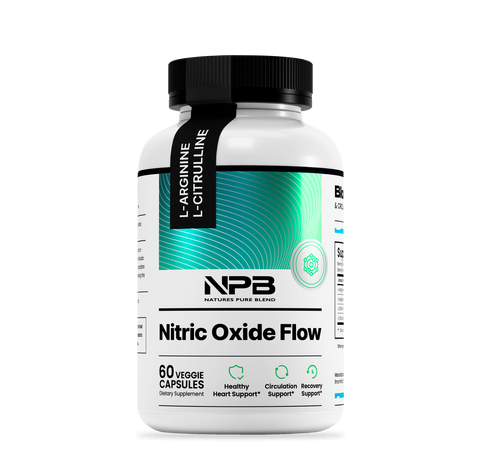
Incorporating a thoughtfully formulated supplement may also provide nutrients and amino acids that help the body maintain natural nitric oxide production, circulation, and vascular relaxation.
Cold hands, weaker workouts, erectile changes, slow healing, and rising blood pressure do not individually confirm a nitric oxide deficiency. However, they may be signals that the blood vessels are not relaxing or delivering blood as efficiently as they once did.
Paying attention to these changes and consistently maintaining nitric oxide pathways can help support smoother circulation, stronger physical performance, and healthier blood vessel function with age.


