7 Everyday Nutrients To Recharge Endothelial Function
Your blood vessels do more than carry blood from one place to another.
Inside every blood vessel is a thin inner lining called the endothelium. This lining helps regulate blood flow, vessel relaxation, circulation, and overall vascular balance. One of the most important molecules involved in this process is nitric oxide, a signaling molecule that helps blood vessels relax and plays a key role in vascular homeostasis.
When endothelial function is supported, blood vessels can respond better to the body’s daily demands. But when the endothelium is under stress from poor diet, low nutrient intake, oxidative stress, inactivity, poor sleep, or excess sugar, it can make it harder for the body to maintain smooth circulation and healthy blood pressure balance.
The good news is that everyday nutrients can help support endothelial function naturally. These nutrients are not complicated. Many are found in fruits, vegetables, fish, nuts, seeds, and other heart-conscious foods. The key is getting them consistently.
Below are 7 everyday nutrients that help recharge endothelial function and support healthier blood vessel performance.
1. L-Citrulline
L-citrulline is an amino acid that helps the body produce L-arginine, which is then used to support nitric oxide production. This matters because nitric oxide helps signal blood vessels to relax, allowing blood to move more smoothly throughout the body. Research has studied L-citrulline for its role in supporting endothelial function and aortic blood pressure by increasing L-arginine availability. You can find L-citrulline naturally in watermelon, with smaller amounts in other melons and squash. For endothelial support, this nutrient is especially helpful because it works through the nitric oxide pathway, making it important for circulation, blood vessel relaxation, and vascular performance. [1]
2. L-Arginine
L-arginine is another amino acid closely tied to nitric oxide production. The body uses L-arginine as a direct building block for nitric oxide, which helps blood vessels relax and supports vascular tone. A systematic review focused on arginine’s role in regulating endothelial function and vascular tone, highlighting its importance in the body’s nitric oxide pathway. Food sources of L-arginine include turkey, chicken, fish, pumpkin seeds, peanuts, lentils, soybeans, and chickpeas. When paired with L-citrulline, this nutrient can help support the body’s natural ability to maintain healthy blood flow and vessel flexibility. [2]
3. Magnesium
Magnesium is one of the most overlooked minerals for cardiovascular support. It helps support muscle function, nerve signaling, energy production, and normal blood vessel relaxation. Magnesium also plays a role in helping the body maintain healthy blood pressure levels already within a normal range. Research has noted that magnesium deficiency may contribute to endothelial dysfunction, which is an early sign that blood vessels are under stress. Magnesium-rich foods include spinach, pumpkin seeds, almonds, black beans, avocado, dark chocolate, and whole grains. Getting enough magnesium daily may help the endothelium respond better to normal circulation demands. [3]
4. Potassium
Potassium helps balance sodium in the body. This is important because too much sodium and too little potassium can make it harder to maintain healthy blood pressure balance. Potassium supports fluid balance, muscle contractions, and normal vascular function. A 2023 meta-analysis found that dietary potassium supplementation supported endothelial function. The NIH DASH eating plan also emphasizes foods rich in potassium, calcium, magnesium, fiber, and protein while staying lower in sodium. Good potassium sources include bananas, oranges, potatoes, sweet potatoes, spinach, beans, lentils, tomatoes, avocado, and coconut water. People with kidney concerns or those taking medications that affect potassium should speak with a healthcare provider before increasing potassium intake. [4]
5. Omega-3 Fatty Acids
Omega-3 fatty acids help support cardiovascular health, a healthy inflammation response, and blood vessel function. They are commonly found in fatty fish like salmon, sardines, mackerel, tuna, and anchovies. Plant-based sources include chia seeds, flaxseeds, walnuts, and hemp seeds. Research has studied omega-3 intake for its role in blood pressure support and overall vascular health. Omega-3s may help support endothelial function by encouraging a healthier vascular environment. They also help support the structure and function of cell membranes, which is important for how blood vessels respond to daily stress. For a simple routine, aim to include fatty fish a few times per week or add chia, flax, or walnuts to meals. [5]
6. Vitamin C
Vitamin C is well known for immune support, but it also plays an important role in blood vessel health. The endothelium is sensitive to oxidative stress. When oxidative stress increases, nitric oxide availability can be reduced. Vitamin C helps support antioxidant protection, which may help preserve nitric oxide activity and support normal endothelial function. A review on vitamin C and the vascular endothelium notes that nitric oxide deficiency contributes to endothelial dysfunction, including impaired blood vessel dilation. Vitamin C-rich foods include oranges, strawberries, kiwi, bell peppers, broccoli, Brussels sprouts, grapefruit, and pineapple. Adding vitamin C foods daily is a simple way to support the body’s natural antioxidant defenses and help protect the blood vessels from everyday stress. [6]
7. Polyphenols
Polyphenols are plant compounds found in colorful foods and drinks. They are not vitamins or minerals, but they act like powerful plant nutrients that help support antioxidant activity, vascular health, and endothelial function. Research has shown that dietary polyphenols may help support endothelial function and promote endothelium-dependent blood vessel relaxation. Some of the best everyday sources include berries, pomegranate, cocoa, green tea, black tea, grapes, apples, citrus fruits, olives, herbs, and leafy greens. Polyphenols are one reason colorful plant foods are so important for cardiovascular wellness. The deeper and richer the color, the more likely the food contains beneficial plant compounds that support vascular health. [7]
Why These Nutrients Matter Together
Endothelial function is not supported by one nutrient alone. The body needs amino acids to support nitric oxide production. It needs minerals to support fluid balance, vessel relaxation, and normal blood pressure regulation. It needs antioxidants to help protect nitric oxide from oxidative stress. It needs healthy fats to support cell membrane health and a balanced inflammatory response.
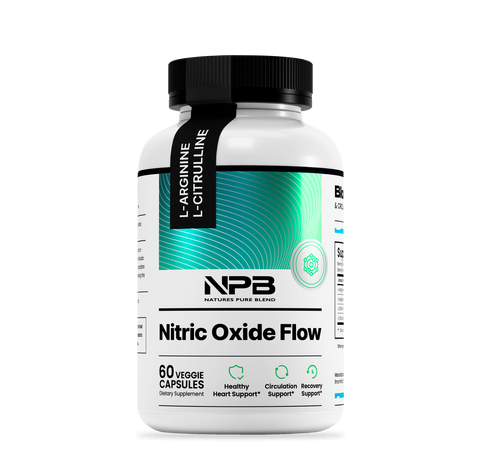
That is why a complete approach works best. L-citrulline and L-arginine support nitric oxide pathways. Magnesium and potassium support vascular balance. Omega-3s support cardiovascular and cellular health. Vitamin C and polyphenols support antioxidant protection.
Together, these nutrients help create a stronger foundation for healthy blood flow, better vessel flexibility, and everyday endothelial support.
Simple Foods To Add More Often
To support endothelial function naturally, focus on simple foods you can include every week. Add watermelon, pumpkin seeds, spinach, salmon, berries, citrus fruit, avocado, beans, pomegranate, green tea, cocoa, and leafy greens.
You do not need to overhaul your entire diet overnight. Start with one or two upgrades. Swap soda for green tea. Add spinach to eggs or smoothies. Eat berries instead of a sugary snack. Use avocado or beans as a potassium-rich side. Choose salmon or sardines a few times per week.
These small habits can help support your blood vessels over time.
Conclusion
Your endothelium plays a major role in circulation, blood flow, and healthy blood pressure balance.
When it is supported, your blood vessels are better equipped to relax, respond, and keep blood moving smoothly. When it is under stress, the body may have a harder time maintaining normal vascular function.
The best way to recharge endothelial function is to give your body the nutrients it needs every day. L-citrulline, L-arginine, magnesium, potassium, omega-3 fatty acids, vitamin C, and polyphenols all play a role in supporting healthy blood vessel function.
These nutrients are not quick fixes or replacements for medical care. But when used as part of a balanced lifestyle, they can help support circulation, nitric oxide production, antioxidant defense, and long-term vascular wellness.