

6 Simple Steps To Help Your Body Use Nitric Oxide Better
The body has two main ways to create nitric oxide.
The first uses the amino acid L-arginine and an enzyme called endothelial nitric oxide synthase. The second converts dietary nitrate into nitrite and then nitric oxide.
After nitric oxide is produced, it must remain available long enough for blood vessels to receive its relaxation signal. That means supporting nitric oxide involves more than increasing one nutrient—it requires supporting each stage of the pathway.
These six steps target nitric oxide production, conversion, protection, and blood-vessel response.
1. Use Movement to Activate Nitric Oxide Production
When blood moves faster during physical activity, it creates gentle pressure against the endothelium—the inner lining of the blood vessels.
This pressure activates endothelial nitric oxide synthase, helping the body produce nitric oxide from L-arginine.
A meta-analysis of 10 studies found that exercise significantly increased nitric oxide and its metabolites compared with control groups. [1]
You do not need an extreme workout. Brisk walking, cycling, swimming, or resistance training can all increase blood flow.
Try this: Aim for 20 to 30 minutes of moderate movement most days. Three separate 10-minute walks can also help break up long periods of sitting.
2. Eat More Nitric Oxide-Supporting Vegetables
Beets, arugula, spinach, lettuce, and celery contain dietary nitrate.
After you eat these foods, the body converts nitrate into nitrite. Nitrite can then be converted into nitric oxide, providing an additional pathway that does not rely entirely on the enzymes inside blood vessels.
A meta-analysis of 23 human trials found that dietary nitrate improved flow-mediated dilation, a measurement of how effectively an artery widens. [2]
Try this: Add one nitrate-rich vegetable to a meal each day, such as spinach in an omelet, arugula in a salad, or beets alongside dinner.
3. Protect the Oral Bacteria That Begin the Process
The conversion of dietary nitrate does not begin in the stomach. It starts inside the mouth.
Certain oral bacteria convert nitrate into nitrite before it is swallowed. Frequent use of strong antibacterial mouthwash can reduce these bacteria and interrupt the beginning of this pathway.
In a controlled trial, three days of antibacterial mouthwash reduced nitrate-to-nitrite conversion and salivary nitrite. [3]
This does not mean neglecting oral hygiene or stopping a dentist-recommended rinse.
Try this: Continue brushing and flossing, but speak with your dentist about whether daily antiseptic mouthwash is necessary—particularly around nitrate-rich meals.
4. Supply the Amino Acids Used to Make Nitric Oxide
The body’s enzyme-based nitric oxide pathway begins with L-arginine.
Endothelial nitric oxide synthase uses L-arginine to create nitric oxide. L-citrulline supports the same pathway because the body can convert it into L-arginine.
In a randomized crossover study, L-citrulline increased circulating L-arginine and markers of nitric oxide-dependent signaling. [4]
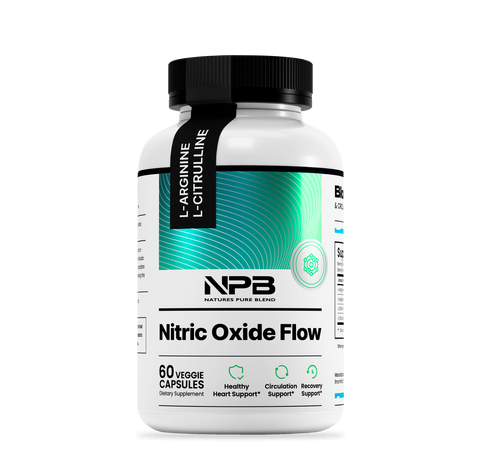
Foods containing these amino acids include fish, poultry, dairy, beans, nuts, seeds, and watermelon. A thoughtfully formulated supplement containing L-arginine and L-citrulline can provide more targeted daily support for this pathway.
Try this: Include a quality protein source regularly and consider targeted amino-acid support as part of your daily circulation routine.
5. Help Protect Nitric Oxide From Oxidative Stress
Producing nitric oxide does not guarantee that all of it will remain available.
Reactive oxygen species can interact with nitric oxide and neutralize it before it delivers its relaxation signal. Oxidative stress can also interfere with the enzymes responsible for producing nitric oxide.
Vitamin C and plant polyphenols help support the body’s antioxidant defenses. Useful food sources include berries, citrus, peppers, tomatoes, leafy greens, cocoa, and tea. [5]
Try this: Pair nitric oxide-supporting foods with colorful produce. For example, combine spinach with bell peppers, arugula with tomatoes, or beets with berries.
6. Give Your Blood Vessels Enough Sleep
Sleep affects how well the endothelium responds to nitric oxide.
In a controlled study, healthy adults restricted to approximately 5.1 hours of sleep experienced a decline in flow-mediated dilation. Those sleeping approximately 6.9 hours did not experience the same decline. [6]
Consistent sleep helps support the blood-vessel response needed for nitric oxide to perform its role effectively.
Try this: Keep a consistent sleep and wake time, reduce bright light before bed, and avoid allowing caffeine or alcohol to interfere with restful sleep.
Support the Entire Nitric Oxide Pathway
Each step supports a different part of the process:
- Movement activates nitric oxide-producing enzymes.
- Vegetables supply dietary nitrate.
- Oral bacteria begin converting nitrate into nitrite.
- L-arginine and L-citrulline support the enzyme pathway.
- Antioxidant-rich foods help preserve nitric oxide availability.
- Sleep supports a healthier blood-vessel response.
The goal is not to rely on one temporary nitric oxide spike. It is to consistently give the body the support to produce the signal, preserve it, and respond to it efficiently.


