

6 Ingredients to Know When Diabetes and ED Overlap
Some nutrients provide raw materials for nitric oxide. Others support blood-vessel responsiveness, antioxidant defenses, cell membranes, or hormonal health. Each of those functions has relevance when metabolic and erectile health overlap.
The following six ingredients were selected for their specific biological roles and the research connecting them to these systems.
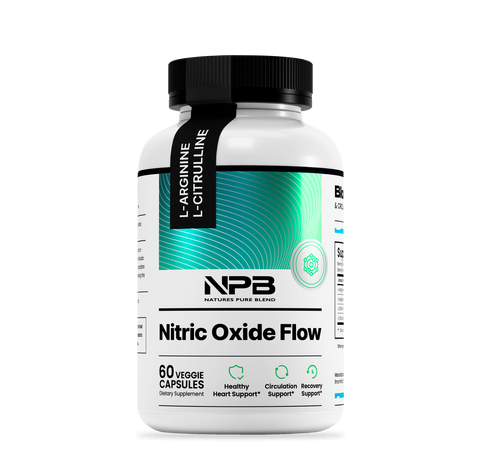
1. L-Arginine
L-arginine is an amino acid the body uses to produce nitric oxide. That signal helps the smooth muscle surrounding blood vessels and erectile tissue relax, allowing more blood to enter during sexual response.
L-arginine has been studied directly in diabetic men with ED. In a randomized trial of 108 men, researchers compared L-arginine, tadalafil, and the two combined. Questionnaire scores changed most in the combination group, demonstrating why this amino acid remains part of the scientific conversation surrounding nitric oxide and erectile function.
Food sources include pumpkin seeds, peanuts, chickpeas, lentils, fish, poultry, and soybeans. Unsalted nuts, seeds, and legumes also provide fiber, protein, and healthy fats that fit into a diabetes-conscious diet. [1]
2. L-Citrulline
L-citrulline supports the same pathway from a different starting point. The kidneys convert it into L-arginine, increasing the amount available for nitric oxide production.
In a small human study, 24 men with mild ED received a placebo for one month followed by 1.5 grams of L-citrulline daily. Erection-hardness scores improved in 50% of participants during the L-citrulline phase compared with 8.3% during the placebo phase.
Watermelon is the best-known food source. A measured serving of fresh watermelon provides L-citrulline while making the carbohydrate portion easier to track than juice or sweetened watermelon products. [2]
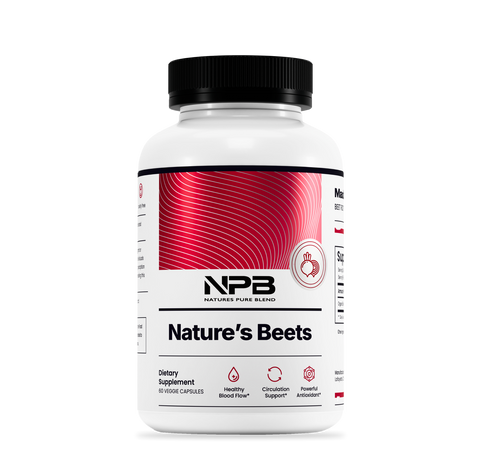
3. Beetroot
Beetroot and leafy greens provide dietary nitrate, which the body can convert into nitrite and then nitric oxide. This gives the body another route for producing the signal involved in blood-vessel relaxation.
A six-month randomized trial studied nitrate-containing beetroot juice in people with or at risk for type 2 diabetes. The active juice increased circulating nitrate and nitrite and lowered central systolic pressure by 2.6 mmHg more than nitrate-depleted juice.
Beetroot, spinach, arugula, lettuce, and celery provide this compound naturally. When choosing a beet beverage, check the label for added sugar that may not fit your glucose goals. [3]
4. Cocoa Flavanols
Flavanols are plant compounds that help support nitric oxide signaling and the body’s antioxidant defenses. Cocoa is one of the most concentrated dietary sources.
In a randomized crossover study involving people with type 2 diabetes, high-polyphenol chocolate produced a stronger blood-vessel response following a glucose challenge than the low-polyphenol control. Researchers also measured more favorable oxidative-stress markers.
The relevant ingredient is the cocoa—not the added sugar. Unsweetened cocoa powder or a high-cocoa product with minimal added sugar provides a more diabetes-conscious way to obtain these plant compounds. [4]
5. Omega-3 Fatty Acids
EPA and DHA are omega-3 fatty acids involved in cell-membrane structure, triglyceride metabolism, and normal inflammatory balance. These functions help maintain the environment in which blood vessels operate.
In a 12-week randomized study of 59 adults with type 2 diabetes, fish oil alone produced modest changes in measured nitric oxide, antioxidant status, vascular response, and triglycerides.
Salmon, sardines, trout, and mackerel provide EPA and DHA alongside protein. Baking, grilling, or air-frying these foods avoids the refined carbohydrates commonly found in breaded options. [5]
6. Vitamin D
Vitamin D is involved in vascular, hormonal, and metabolic function. Its relevance becomes especially important when low levels occur alongside changes in blood flow or testosterone.
Researchers evaluated 92 men with type 2 diabetes and found that lower vitamin D levels were associated with lower erectile-function scores, lower testosterone, and weaker blood-flow measurements in erectile tissue.
Fatty fish, egg yolks, and fortified dairy or plant-based milks provide vitamin D. Because food intake and sun exposure do not reveal your actual level, a blood test provides the clearest measurement. [6]
Putting These Ingredients Into Practice
A meal containing salmon, leafy greens, and roasted beets provides omega-3 fatty acids and dietary nitrate. A measured serving of watermelon with unsalted pistachios supplies L-citrulline and L-arginine. Unsweetened cocoa can be added to plain Greek yogurt or a low-sugar smoothie for flavanols.
The goal is to incorporate these ingredients consistently while keeping portions, carbohydrates, added sugar, and total calories aligned with your glucose targets.


