4 Simple Actions That Directly Influence Nitric Oxide Production
Introduction
Nitric oxide is a signaling molecule that tells your blood vessels when to relax. When production is steady, circulation stays efficient, oxygen delivery improves, and vascular flexibility remains intact. When production declines, blood vessels become less responsive over time.
The key point most people miss is that nitric oxide production is influenced daily by small behaviors. Below are four practical actions you can apply immediately to support it.
1. Walk 10–15 Minutes After Meals
Nitric oxide production increases when blood flow increases. A short brisk walk after eating stimulates shear stress along the vessel walls, which activates the enzyme responsible for producing nitric oxide (eNOS).
Instead of sitting immediately after lunch or dinner, take a 10–15 minute walk. This not only stimulates nitric oxide production but also helps regulate post-meal blood sugar, which protects endothelial function long term. [1]
2. Add One Nitrate-Rich Vegetable Daily
Your body can convert dietary nitrates into nitric oxide through the nitrate–nitrite pathway. This pathway becomes more important with age as enzymatic production naturally slows.
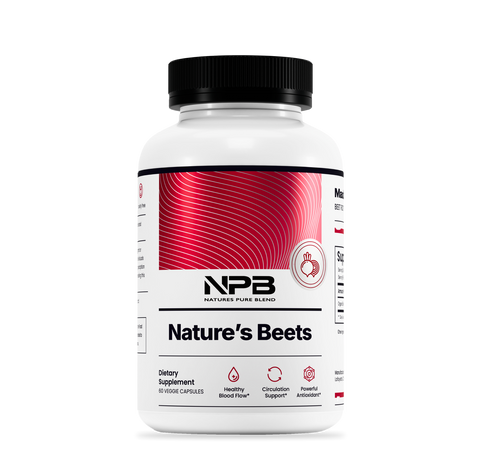
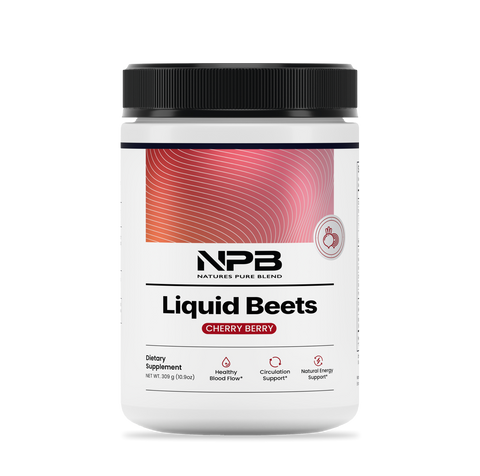
Add one serving daily of arugula, spinach, lettuce, celery, or beets. A simple side salad or a small serving of roasted beets is enough. Consistency matters more than quantity. [2]
3. Get Morning Sunlight Within 30 Minutes of Waking
This is one of the most overlooked nitric oxide strategies. Exposure to natural sunlight, particularly UVA light, can trigger the release of nitric oxide stored in the skin into circulation.
Step outside for 5–10 minutes shortly after waking. No sunglasses. No glass between you and the sun. This supports circadian rhythm alignment and may help improve vascular responsiveness through nitric oxide release. [3]
4. Breathe Through Your Nose During Light Activity
Nasal breathing stimulates nitric oxide production inside the sinuses. That nitric oxide travels into the lungs and helps improve oxygen uptake and vascular tone.
During walking, light cardio, or even daily movement, focus on breathing through your nose instead of your mouth. Slower, controlled nasal breathing can enhance nitric oxide availability while also supporting better respiratory efficiency. [4]
Conclusion
Nitric oxide production is influenced by daily actions, not extreme interventions. Walking after meals, consuming nitrate-rich vegetables, getting early sunlight exposure, and practicing nasal breathing are simple strategies that directly stimulate or preserve nitric oxide pathways.
Small habits applied consistently create measurable changes in vascular function over time.